
Miami has become one of the most design-forward fitness markets in the country. Boutique studios, CrossFit boxes, and luxury clubs all compete on visual impact as much as programming. Members treat gyms as lifestyle hubs where aesthetics directly influence membership decisions. Miami’s fitness culture blends luxury with high-intensity training, and custom flooring plays a central role in reinforcing brand identity and shaping the member experience from the moment someone walks through the door.
This guide shows gym owners and managers how to intentionally match flooring materials to their specific brand identity, from lobby to locker rooms, while accounting for Miami’s unique climate and daily usage demands.
Specialized Fitness Resources works with gym owners, boutique studio operators, and fitness facility managers across South Florida to specify flooring systems that perform under Miami’s humidity and hold up to daily commercial use without compromising on design.
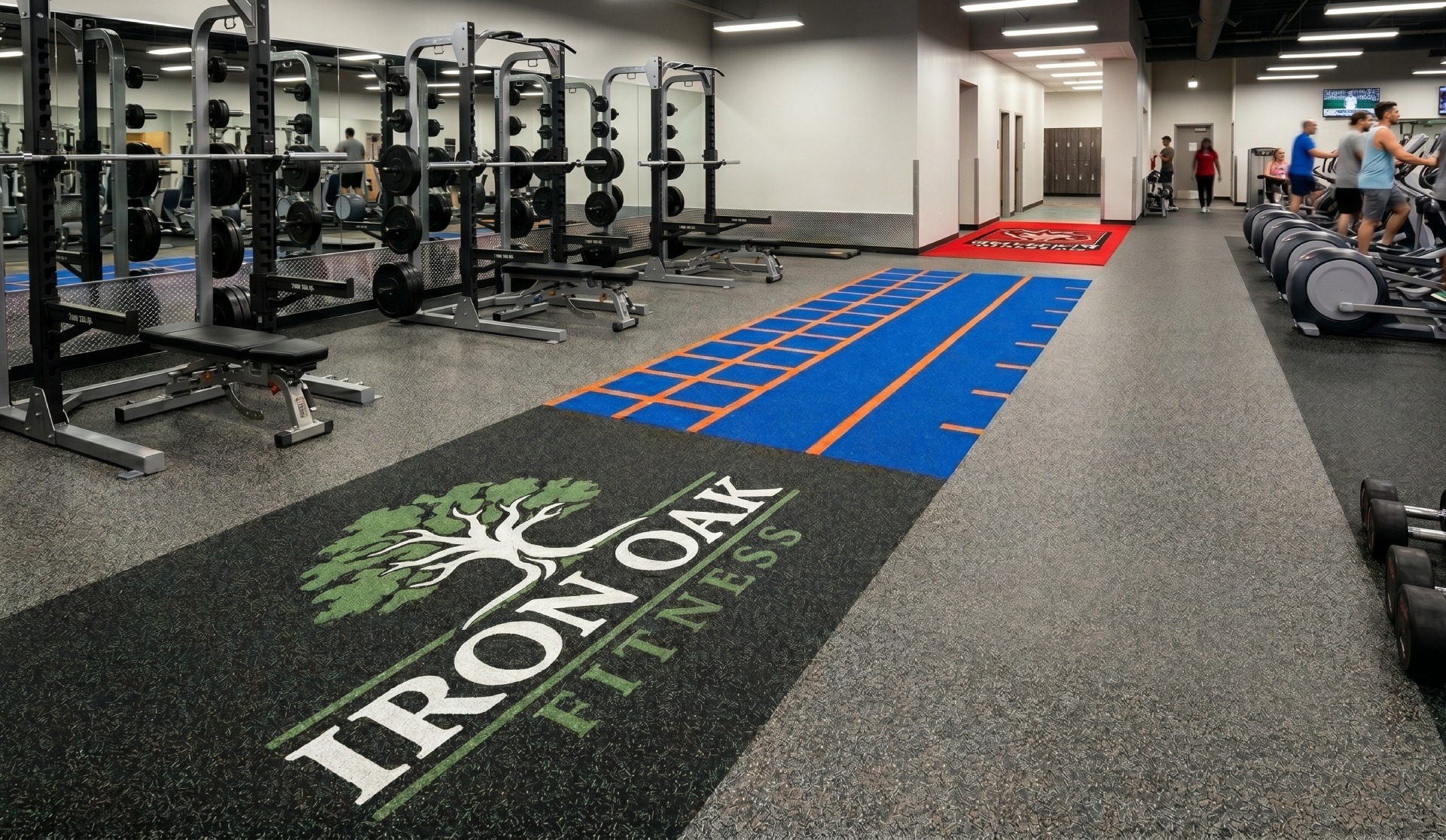
One standout capability is fully custom flooring. Specialized Fitness Resources can build your brand directly into the floor itself, from custom logo inlays and team colors to personalized messaging like PLEASE REPLACE WEIGHTS placed in strategic locations throughout your facility. With a wide range of color granules and design options, custom flooring can be applied across weight rooms, locker rooms, pool decks, dance studios, spinning studios, and aerobic training areas. It is one of the most effective ways to reinforce brand identity at every touchpoint of the member experience.
Whether you are building from the ground up, refreshing an existing space, or looking to make your facility visually unmistakable in a competitive Miami market, contact Specialized Fitness Resources to discuss your brand vision and get the right flooring specified for every zone of your facility.
Also Read: How Long Does Rubber Flooring Last in Miami’s Climate?
Why Flooring Matters More in Miami Gym Design
Miami’s environment and audience expectations make flooring choices more critical than in most U.S. cities. Here is why:
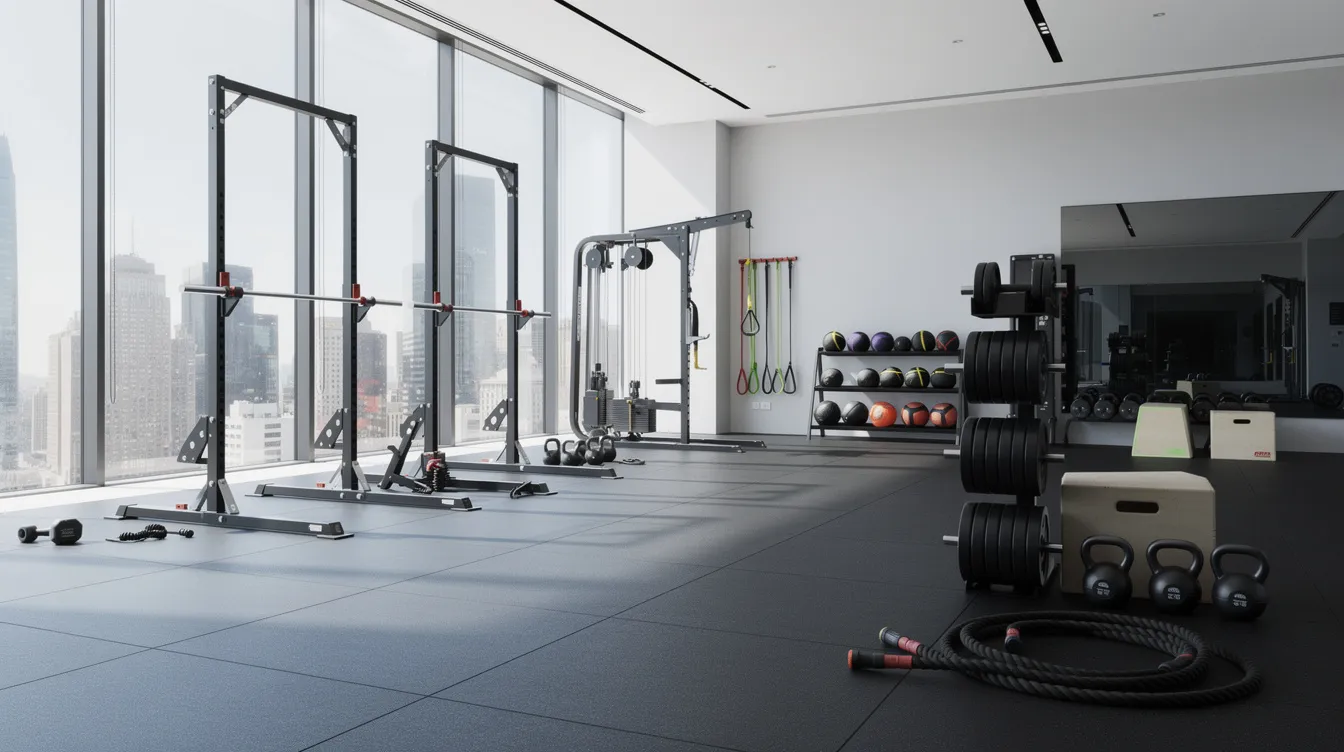
- High Visual Expectations. Members expect sleek, cohesive interiors. Glass façades in Brickell, murals in Wynwood, and bold wall graphics mean your floor must match the room around it. Aesthetic trends in Miami favor bold, high-contrast colors, and custom flooring materials can influence customer perceptions in commercial spaces faster than almost any other design element.
- Climate and Environmental Demands. Year-round humidity averaging 83% in the morning and 61% in the afternoon, combined with aggressive cleaning routines, breaks down cheap flooring materials quickly. Sweat, sunscreen, and sand create constant surface stress.
- Competitive Fitness Landscape. Miami-Dade and Broward counties are saturated with branded gyms and boutique studios. Flooring is a fast way for customers to differentiate brand tiers-budget versus premium-at a single glance. Your floor must withstand heavy traffic and still look sharp under both natural daylight and evening LED lighting.
How Does Flooring Function as a Brand Identity Tool?
Flooring is a silent brand messenger. What members see and feel underfoot communicates whether your gym is about performance, luxury, community, or wellness. Flooring materials should reflect the workout intensity of each space; heavy rubber in a weight room tells a very different story than wood-look vinyl in a yoga studio.
- Rubber flooring is the standard for athletic spaces. Thick, dark rubber with colored flecks signals strength and serious training in weight rooms, CrossFit areas, and HIIT zones. It absorbs impact, dampens noise, and resists moisture, all practical advantages that reinforce a performance-driven brand.
- Luxury vinyl and LVT planks convey sophistication and warmth. Wood-look or stone-look surfaces instantly communicate a boutique, modern identity, ideal for lobby areas, studios, and corridors where first impressions matter.
- Turf systems convey an athletic, conditioning-focused brand. Performance turf accepts logos through tufting or dyeing, making functional training lanes visually stand out in photos and videos.
- Flooring with acoustic underlayment such as cork-backed vinyl, foam-backed rubber tiles, or floating floor systems supports a wellness-focused, calming identity in yoga, Pilates, and barre studios. This is especially important in multi-story Miami buildings where impact noise traveling to floors below can be a compliance and neighbor-relations issue.
- Interlocking and modular systems offer flexibility for evolving spaces, though the trade-off is visible seams compared to permanent, glued-down installations. Custom-branded flooring enhances identity and simplifies navigation across multiple zones within a facility.
Also Read: What Flooring Works Best for Aerobic Studios vs. CrossFit Boxes in Miami, FL?
What Are the Main Miami Gym Brand Types and How Should Flooring Align With Them?
Most Miami fitness facilities fall into recognizable categories, and each requires flooring that supports its training environment, member experience, and brand identity. The right flooring system should balance aesthetics, durability, safety, acoustics, and performance while reflecting the facility’s overall image.
Luxury Fitness Clubs and Wellness Centers
Upscale fitness clubs, condominium fitness centers, hotels, and country clubs benefit from flooring that delivers a clean, sophisticated appearance without compromising performance. Premium rubber flooring with subtle fleck patterns, acoustical flooring systems, and carefully coordinated color schemes create a polished environment that appeals to discerning members. Neutral tones such as charcoal, gray, and earth-inspired colors help maintain a refined aesthetic while standing up to daily use.
CrossFit and Performance Training Facilities
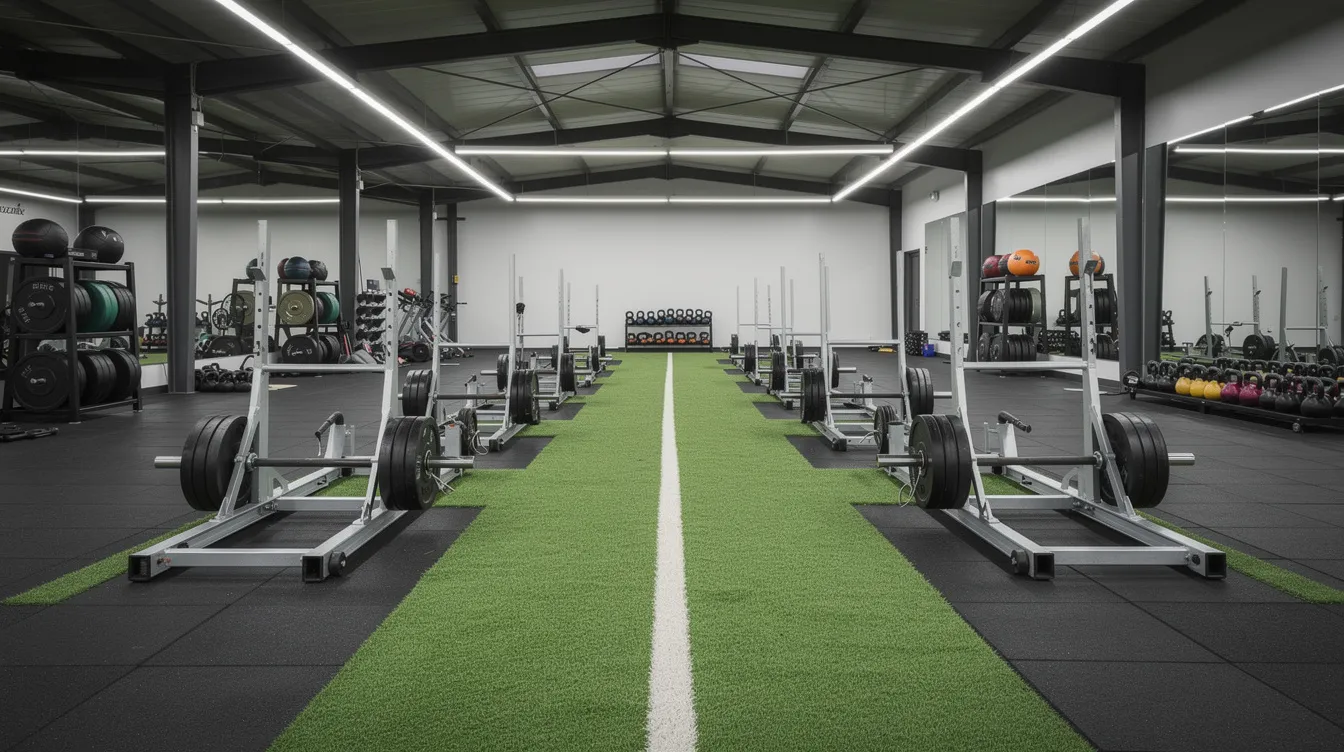
High-intensity training facilities require flooring built to withstand heavy weights, functional training equipment, and constant impact. Thick commercial-grade rubber flooring in lifting areas, performance turf for sled work and conditioning zones, and custom logo integration help reinforce a strong athletic identity. Strategic color accents can also be used to define training zones and enhance the facility’s visual appeal.
Boutique Fitness Studios
Studios focused on yoga, Pilates, functional training, or group fitness often prioritize comfort, acoustics, and visual cohesion. Acoustical flooring systems, specialized fitness flooring, and rubber surfaces designed for low-impact activities can create a welcoming environment while supporting participant safety. Subtle branding and calming color palettes help maintain a professional, wellness-focused atmosphere.
Corporate, Community, and Condominium Fitness Centers
Fitness centers located in residential communities, condominiums, schools, universities, and corporate facilities require practical, durable flooring solutions that accommodate a wide range of users. Commercial rubber tiles and rolls offer excellent durability, low maintenance requirements, and long-term value. Neutral colors and simple zoning layouts help maintain a clean appearance while concealing everyday wear.
Wellness and Recovery Spaces
Recovery rooms, stretching areas, and wellness-focused environments benefit from flooring systems that reduce noise and improve comfort underfoot. Acoustical flooring and specialty rubber products can help create a quieter, more relaxing atmosphere while maintaining durability and ease of maintenance. Warm, understated color selections support a calming aesthetic.
Value-Oriented Fitness Facilities
Facilities operating within tighter budgets can still achieve professional results by selecting durable rubber flooring systems that prioritize safety, longevity, and ease of maintenance. Commercial rubber rolls and tiles provide reliable performance in cardio, strength training, and general fitness areas while keeping installation and replacement costs manageable. Darker colors and fleck patterns help maintain a clean appearance in high-traffic environments.
By matching flooring systems to a facility’s training style, membership demographic, and brand identity, gym owners can create spaces that not only perform well but also strengthen their overall member experience and long-term investment.
Also Read: How Can Upstairs Fitness Centers in Miami Minimize Sound and Vibration with the Right Flooring?
What Are the Miami-Specific Flooring Considerations?
Even the best branding concept fails if flooring materials are not chosen for Miami’s climate.
Humidity and Moisture Resistance
Miami’s high humidity requires flooring systems that resist moisture penetration and prevent long-term substrate damage.
Non-porous, commercial-grade rubber flooring is recommended for high-moisture environments such as locker rooms, showers, and pool-adjacent fitness zones. These areas should include anti-slip surfaces and properly sealed installation systems to reduce the risk of water migration beneath the flooring.
In professional installations, moisture control is managed through:
- Sealed transitions between flooring zones
- Proper subfloor preparation
- Drain-friendly designs in wet areas
Slip resistance remains a critical requirement in all humid or wet environments to support safety and durability.
High Traffic Durability
Downtown Miami gyms see hundreds of check-ins daily. Commercial-grade rubber can last 15–20 years; turf zones typically need replacement every 5–8 years. Durable flooring materials extend the life of branded surfaces and reduce the need for frequent repairs.
Coastal Impact
Salt air, sand, and UV exposure through windows degrade lower-grade materials. Choose adhesives and surfaces rated for coastal South Florida environments.
Aesthetic Expectations
Combine bold brand accents with a clean, timeless base palette that performs under Miami’s strong natural daylight.
What Are the Core Design Principles for Miami Gym Flooring?
Smart flooring design combines brand alignment, safety, performance, and maintenance into one cohesive system.
Consistency in Visual Identity
Floor colors and textures should align with brand identity and facility design language. Custom-branded flooring can reinforce recognition and create a cohesive visual experience across training and reception areas.
Functional Zoning
Well-designed flooring layouts improve navigation and training flow. Rubber flooring is ideal for strength areas, indoor turf supports functional training, and anti-slip specialty surfacing is best suited for locker rooms and moisture-prone environments. Branded flooring elements can also assist with wayfinding and spatial organization.
Material-First Decisions
Flooring selection should prioritize durability, safety, and long-term performance, with design and branding considerations applied within those parameters.
Maintenance Efficiency
Floors must withstand frequent cleaning, disinfecting, and heavy foot traffic. High-quality rubber and specialty surfacing materials are designed to resist staining and maintain appearance in demanding fitness environments.
Experience-Driven Design
Inlaid logos and branded flooring features can improve spatial recognition and reinforce facility identity. Surface comfort, acoustics, and material quality contribute to the overall user experience and perceived facility standard.
What Is the Step-by-Step Flooring Selection Process for Miami Gyms?
Follow this selection process to ensure your new flooring aligns with your brand and operational needs:
Define Gym Identity
Map your brand promise and target audience. Young professionals will have different expectations compared to families. Flooring choices should reinforce the intended experience and overall brand positioning.
Identify Facility Type and Layout
List all functional zones, including reception, cardio, strength training areas, studios, locker rooms, and offices. Confirm whether the project is premium, boutique, performance-focused, or budget-oriented, as this will influence material selection.
Select Color Direction
Establish a base palette of neutrals with accent colours aligned to your brand identity. Always review samples under both natural Miami daylight and artificial lighting to ensure consistency in appearance.
Choose Flooring Systems
Match flooring types to functional needs. Rubber flooring is typically used in strength and free-weight areas, vinyl or LVT in reception and studio spaces, turf in functional training zones, and slip-resistant finishes in wet areas such as locker rooms. A well-planned mix of systems ensures both performance and durability.
Plan Layout and Zoning
Define where each flooring type begins and ends. Clear zoning improves navigation in complex gym layouts. Use appropriate transition strips and ensure logo placement and directional elements are integrated where relevant.
Test Materials On-Site
Always request samples and evaluate them under real gym conditions. Assess slip resistance, comfort underfoot, durability, and stain visibility. In high-traffic areas, branding elements such as logos should be evaluated for visibility and wear performance over time.
Coordinate with Installers
Work with experienced commercial installers familiar with South Florida conditions. Confirm substrate preparation, moisture testing, and installation timelines before work begins. Proper installation practices are critical, as they often have a greater impact on flooring lifespan than material choice alone.
Also Read: What Are Good Flooring Solutions for Garage Gyms in Hot, Humid Climates Like Florida?
What Are the Most Common Flooring Mistakes in Miami Gyms?
Many Miami gyms overspend or underperform because flooring decisions are based on aesthetics or short-term cost rather than long-term performance requirements.
Choosing Aesthetics Over Durability
Light-coloured or low-grade flooring can show stains more easily and may not perform well under high sweat exposure and humidity. Commercial-grade, high-performance materials with appropriate surface treatments are better suited for gym environments.
Overusing Multiple Flooring Types
Excessive variation in colours, textures, and materials can weaken brand cohesion and create visual clutter. A more controlled palette with clearly defined zoning improves both aesthetics and functionality. Integrated logo flooring can reinforce brand identity when used strategically.
Ignoring Maintenance Demands
Gym flooring in high-use facilities requires consistent cleaning protocols. Maintenance requirements should always be clarified with suppliers before purchase to ensure long-term practicality and cost control.
Misalignment With Member Expectations
Flooring should reflect the training environment. For example, a wellness-focused studio may require softer, more refined finishes, while strength training zones demand impact-resistant surfaces such as heavy-duty rubber. Mismatched materials can negatively affect both user experience and durability.
Underestimating Climate Impact
Miami’s humidity can compromise flooring performance if incorrect adhesives or installation methods are used. Issues such as bubbling, lifting, or mould growth often result from poor substrate preparation or unsuitable installation systems. Working with installers experienced in South Florida conditions is essential.
What Flooring Do Locker Rooms, Showers, and Support Spaces Need in Miami Gyms?
Locker rooms and wet areas are critical for both brand perception and liability management. In Miami’s climate, these zones face the highest mold and moisture risk in your building.
- Locker rooms need anti-slip, moisture-resistant surfaces with good drainage. Choose colors and finishes that align with your brand while holding up to constant moisture exposure.
- Showers and wet zones require textured, slip-resistant surfaces. Standing water invites mold; proper drainage is non-negotiable.
- Restrooms, hallways, and staff areas should use resilient vinyl or similar materials that stay consistent with your main branding palette.
- Even support spaces like laundry rooms, offices, and storage should follow the overall aesthetic. When a door opens to reveal clashing, low-grade flooring, it undermines your brand throughout your entire facility.
Also Read: Miami Gym Owners’ Guide: How Do Martial Arts Mats Differ from Yoga or Pilates Rubber Flooring?
Treat Flooring as Brand Strategy, Not Just Construction
In Miami’s competitive fitness scene, gym flooring directly influences first impressions, perceived value, and long-term member loyalty. Matching flooring materials to brand identity means balancing aesthetics, performance, climate resistance, and maintenance in every zone. Revisit your current flooring and ask whether it truly reflects the promise of your brand.
Gym Flooring and Branding Support in Miami & South Florida
Whether you are opening a new fitness facility or upgrading an existing gym, the right flooring system can strengthen your brand, improve member experience, and support long-term performance. At Specialized Fitness Resources, we help gym owners throughout Miami-Dade, Broward, and South Florida create flooring solutions that combine durability, functionality, and visual impact.
Our team provides comprehensive support for commercial fitness facilities, including rubber gym flooring, performance turf, acoustic flooring systems, and custom-branded flooring featuring logos, colours, and facility-specific design elements. From initial planning and material selection to space layout, moisture considerations, and professional installation, we deliver flooring solutions tailored to South Florida’s climate and the demands of modern fitness environments.
We proudly serve boutique fitness studios, health clubs, corporate wellness centres, training facilities, apartment gyms, and large commercial fitness centres across South Florida. Contact us today at 305-752-0451 to discuss your project and discover how a strategically designed flooring system can elevate your facility’s performance, appearance, and brand identity. Submit the contact form to schedule a site assessment or design consultation.
Frequently Asked Questions
How long does commercial gym flooring typically last in Miami’s climate?
High-quality commercial rubber flooring can last 15 to 25 years in heavy-use zones and longer in lower-traffic areas when properly installed. Commercial vinyl lifespan varies significantly by wear layer. Entry-level products typically last 8 to 10 years in fitness environments, mid-range wear layers run 10 to 15 years, and premium commercial vinyl can extend beyond that. Humidity, cleaning products, and equipment intensity all affect actual lifespan. Ask for product-specific warranties during the planning stage.
Can I update my gym’s branding and logo placement without replacing all existing flooring?
Yes. Options include adding branded inlay logo mats, repainting or re-striping turf zones, and selectively replacing sections like entries, photo zones, or feature training areas. At Specialized Fitness Resources, we can evaluate which areas can be retained versus where replacement is necessary for safety or performance.
What thickness of rubber flooring is best for weightlifting areas?
For standard fitness centers with moderate free weights, 8 mm to 3/8″ rubber rolls are usually sufficient. For heavy lifting, CrossFit, or Olympic lifting zones, 1/2″ to 3/4″ tiles are recommended. Thicker material improves impact absorption and protects the subfloor, critical in multi-story Miami high-rises where equipment drops transfer force directly to the structure below.
How early in the design process should I make flooring decisions?
Flooring materials and zoning should be decided as soon as your basic layout and brand positioning are defined, ideally before finalizing lighting, paint, and furniture. Early decisions help coordinate color palettes, logo placement, door thresholds, and drainage in locker rooms. Late changes add cost and delay opening dates.
Is custom flooring worth the investment for smaller gyms and studios?
Even modest logo placement at the entry or main training zone significantly improves brand recognition and perceived quality, especially in competitive Miami neighborhoods. Smaller facilities can start with a single branded inlay or logo mat. The long-term marketing value, member photos, social media content, and member pride often justify the incremental cost when creating a professional first impression.