
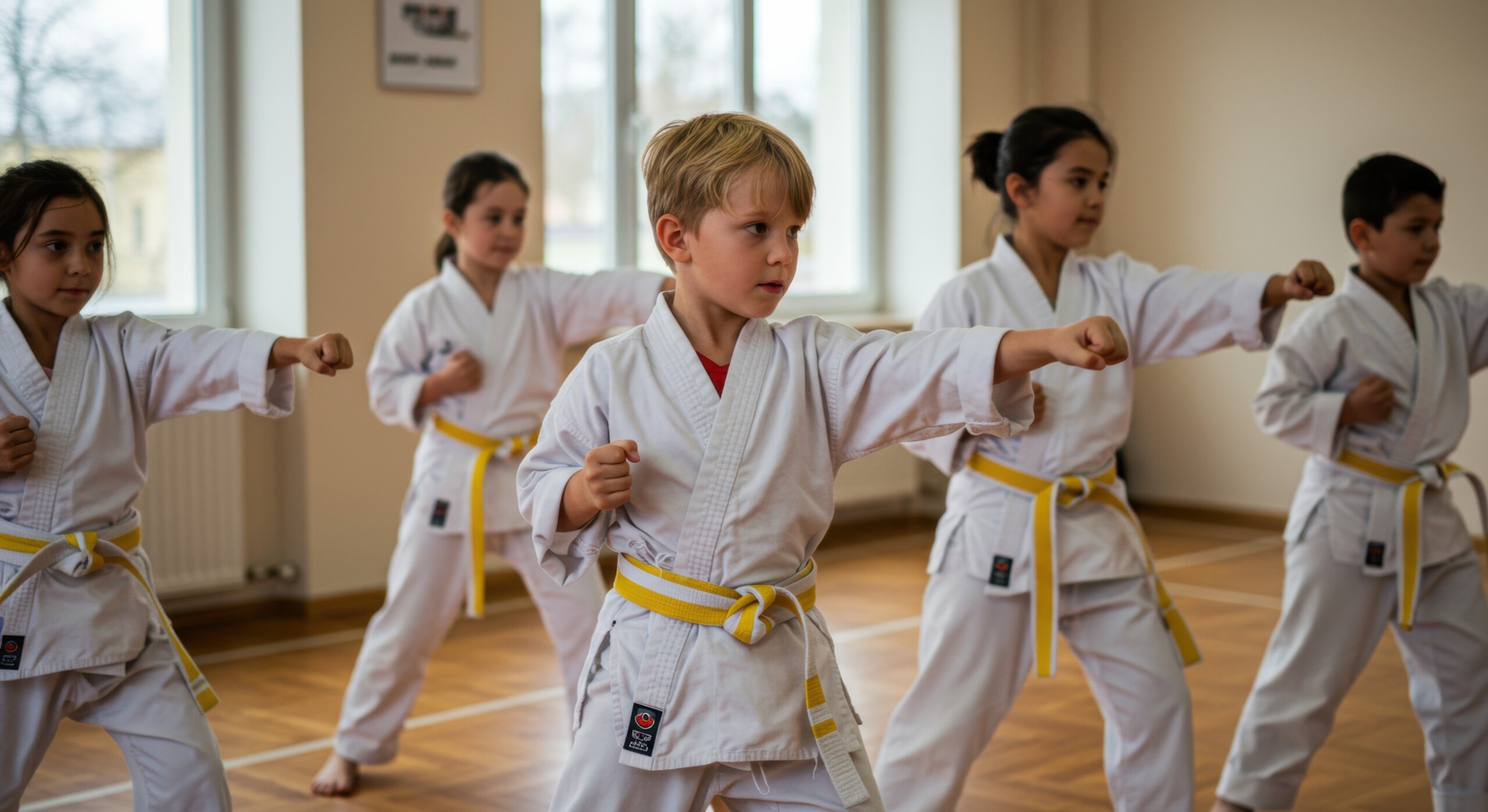
Miami’s fitness market continues to expand, with martial arts academies, yoga studios, Pilates centers, condo fitness rooms, and commercial gyms opening and upgrading facilities throughout the region. While programming and equipment often take center stage, flooring plays a critical role in safety, performance, and long-term durability. In a hot and humid climate like Miami, flooring must withstand constant moisture, heavy foot traffic, and repetitive impact without breaking down or creating hygiene risks.
One of the most common mistakes facility owners make is assuming that all rubber flooring performs the same. Martial arts mats and yoga or Pilates rubber flooring are not interchangeable. Each is engineered for specific movement patterns, impact absorption, and stability requirements. Choosing the wrong surface can increase the risk of slips, joint strain, and injuries, while also leading to premature wear and costly replacements.
Since 1993, Specialized Fitness Resources has been supplying and installing sports flooring solutions exclusively for the fitness industry. Based in South Florida, our team works with commercial gyms, martial arts studios, yoga and Pilates facilities, hotels, condominiums, country clubs, high schools, and universities throughout Miami, Fort Lauderdale, West Palm Beach, Naples, Orlando, Tampa, Jacksonville, and Ocala. We handle both the supply and professional installation of our flooring systems, allowing us to ensure each solution is properly selected and installed for its intended use.
If you are planning a new facility or upgrading an existing space, call Specialized Fitness Resources today at 305-752-0451 to speak with our knowledgeable staff and request a quote.
This article explains the key differences between martial arts mats and yoga or Pilates rubber flooring, why proper surface selection matters, and how Miami facility owners can choose the right solution for safety, performance, and longevity in a demanding environment.
Also Read: What Are Good Flooring Solutions for Garage Gyms in Hot, Humid Climates Like Florida?
Why Flooring Matters in Miami Fitness Centers
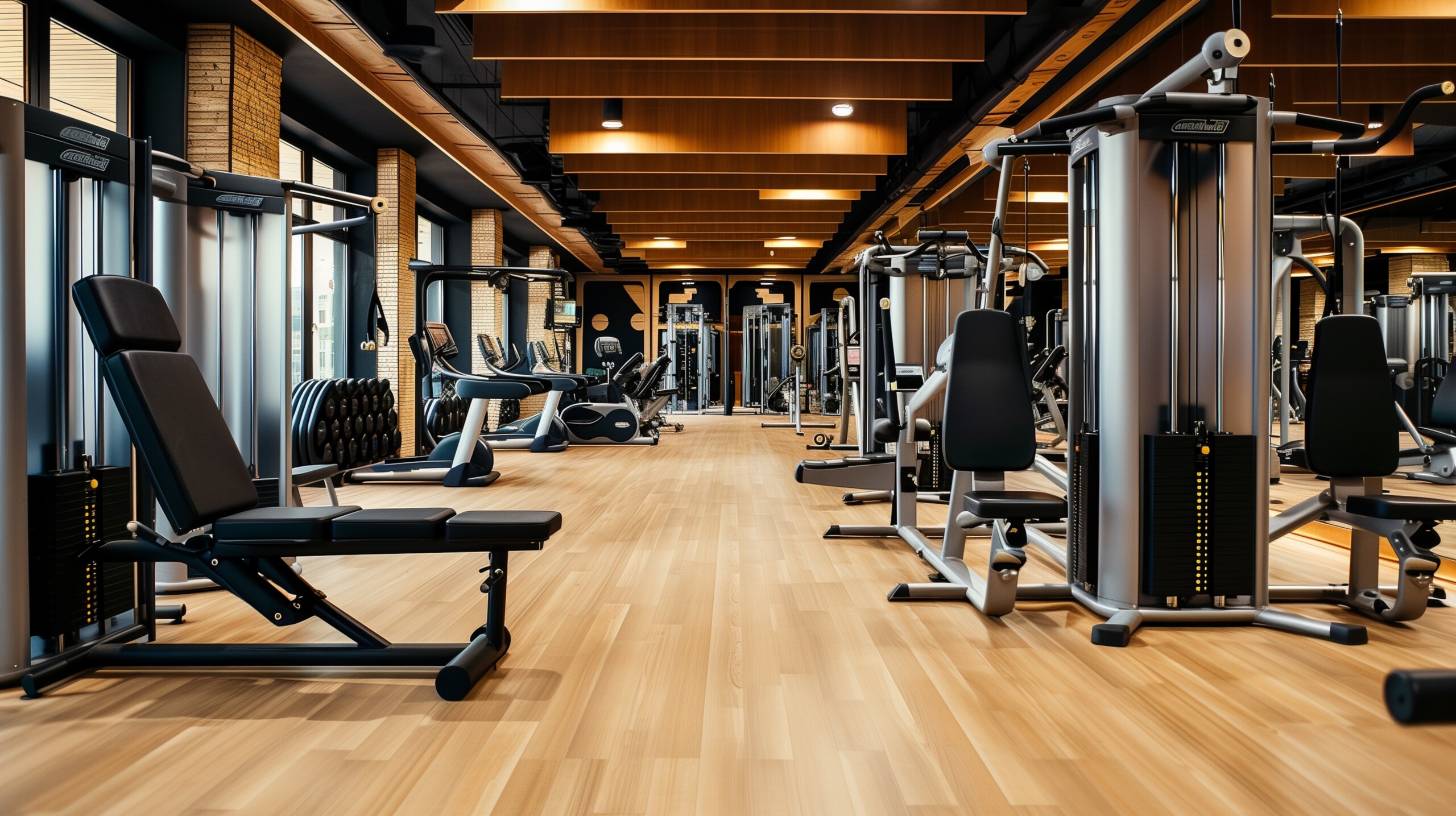
Flooring is more than just a visual element in a fitness facility. It directly affects safety, performance, acoustics, and longevity of a space. In Miami’s humid, high‑traffic environment, choosing the right surface can mean the difference between a facility that thrives and one that incurs frequent repair costs and safety issues.
Safety First
A properly engineered flooring system significantly reduces the risk of injuries in commercial gyms and studios. Rubber flooring is designed to absorb impact energy from falls and heavy equipment, providing slip resistance and cushioning where it matters most.
According to industry research, shock‑absorbing surfaces like rubber can reduce peak forces transmitted through joints during high‑impact activities by up to 30%, which translates into a lower risk of overuse injuries and joint strain over time. In environments prone to moisture from sweat or water bottles, rubber’s inherent slip resistance helps maintain traction even when wet, reducing slip‑and‑fall risks common on harder surfaces like tile or concrete.
Durability Under Stress
Miami fitness centers face heavy equipment drops, repetitive impact from dynamic workouts, and environmental challenges such as high humidity levels that can accelerate material breakdown. Quality commercial‑grade rubber flooring is engineered to resist tearing, compression set, and moisture damage, making it suitable for gyms and studios with heavy foot traffic and continuous use.
Rubber products made from high‑density recycled rubber resist wear far better than foam or PVC options, and with proper care, they can remain functional for a decade or more in commercial settings.
Comfort and Performance
The right flooring doesn’t just protect; it enhances performance. By offering controlled firmness and consistent traction, rubber surfaces support smoother transitions and more effective movement during exercises ranging from yoga flows to functional training. Cushioned surfaces like these also help reduce fatigue, allowing members to train longer and with greater confidence compared to harder flooring options.
Acoustic Control
Noise is a significant concern in busy fitness centers, particularly in multi‑story buildings and shared facilities. Rubber’s dense composition naturally dampens impact noise from dropped weights and equipment, creating a quieter environment that improves member experience and reduces noise complaints in adjacent spaces.
Eco‑Friendly Options and Indoor Air Quality
Many commercial rubber flooring products available today incorporate recycled rubber, often made from repurposed tires, which helps divert waste from landfills and reduces the environmental footprint of your installation. Recycled and low‑VOC rubber options also contribute to improved indoor air quality by minimizing off‑gassing of harmful volatile organic compounds, a critical consideration for enclosed gym environments with high occupancy levels.
Professional Installation Matters
Proper subfloor preparation and installation are essential, particularly in Miami’s concrete‑structured buildings, where moisture management and sound control are critical. Incorrect installation can lead to shifting tiles, gaps, moisture trapping, and compromised performance that voids product warranties and introduces safety hazards. Ensuring that flooring is correctly installed not only extends its lifespan but also preserves the performance and safety qualities that make quality rubber flooring a sound investment.
Also Read: What’s the Best Gym Flooring Thickness for Home and Commercial Gyms in Miami? Find Out Here!
Martial Arts Mats – Key Features and Benefits
Training in martial arts disciplines like karate, taekwondo, Brazilian jiu-jitsu (BJJ), judo, and MMA requires flooring that protects athletes during high-impact movements, throws, and takedowns. The right mat ensures safety, supports performance, and maintains durability even under heavy, repetitive use.
At Specialized Fitness Resources, we provide martial arts mats designed for both safety and functionality. Our Puzzle Mat is perfect for stand-up striking arts like karate and taekwondo, offering a full 1-inch (25 mm) thickness that balances firm support for stepping and kicking drills with shock absorption for jumps, controlled takedowns, and falls. The smooth, non-slip surface is ideal for barefoot or soft-shoe training, providing reliable traction without compromising comfort.
Key Benefits of Martial Arts Mats:
- Shock Absorption and Safety: High-density foam cores reduce peak impact forces to joints and bones, helping prevent injuries during throws, takedowns, and dynamic drills. Consistent cushioning protects athletes while promoting confidence, especially in busy Miami schools and gyms.
- Surface Texture and Grip: Tatami-style or smooth vinyl surfaces allow controlled slides, pivoting, and explosive footwork without sticking or stressing joints. The mats’ traction is optimized for barefoot martial arts movements, providing stability and preventing slips.
- Durability: Our mats resist compression, tearing, and surface abrasion, maintaining their shape and performance even under daily heavy use. Foam density and recovery ensure the mats do not bottom out, even on hard concrete subfloors common in Miami training spaces.
- Modular Installation: Interlocking puzzle design allows flexible layouts, easy setup, and expansion as training spaces evolve. This makes it simple to integrate martial arts mats with adjacent rubber training zones for multi-purpose facilities.
- Customization Options: Our mats are available in multiple color combinations, including Red/Blue, Black/Gray, Black/Green, Black/Red, and Black/Woodgrain, making it easy to match facility branding or designated training areas.
With Specialized Fitness Resources’ martial arts mats, we ensure that every dojo, school, or gym in Miami has a safe, durable, and high-performance training surface. Our mats are engineered to meet the unique demands of combat sports while seamlessly integrating into larger fitness environments.
Also Read: Foam vs Rubber: Which Flooring is Best for Your Home Gym in Miami?
Yoga and Pilates Studio Flooring – Key Features and Benefits
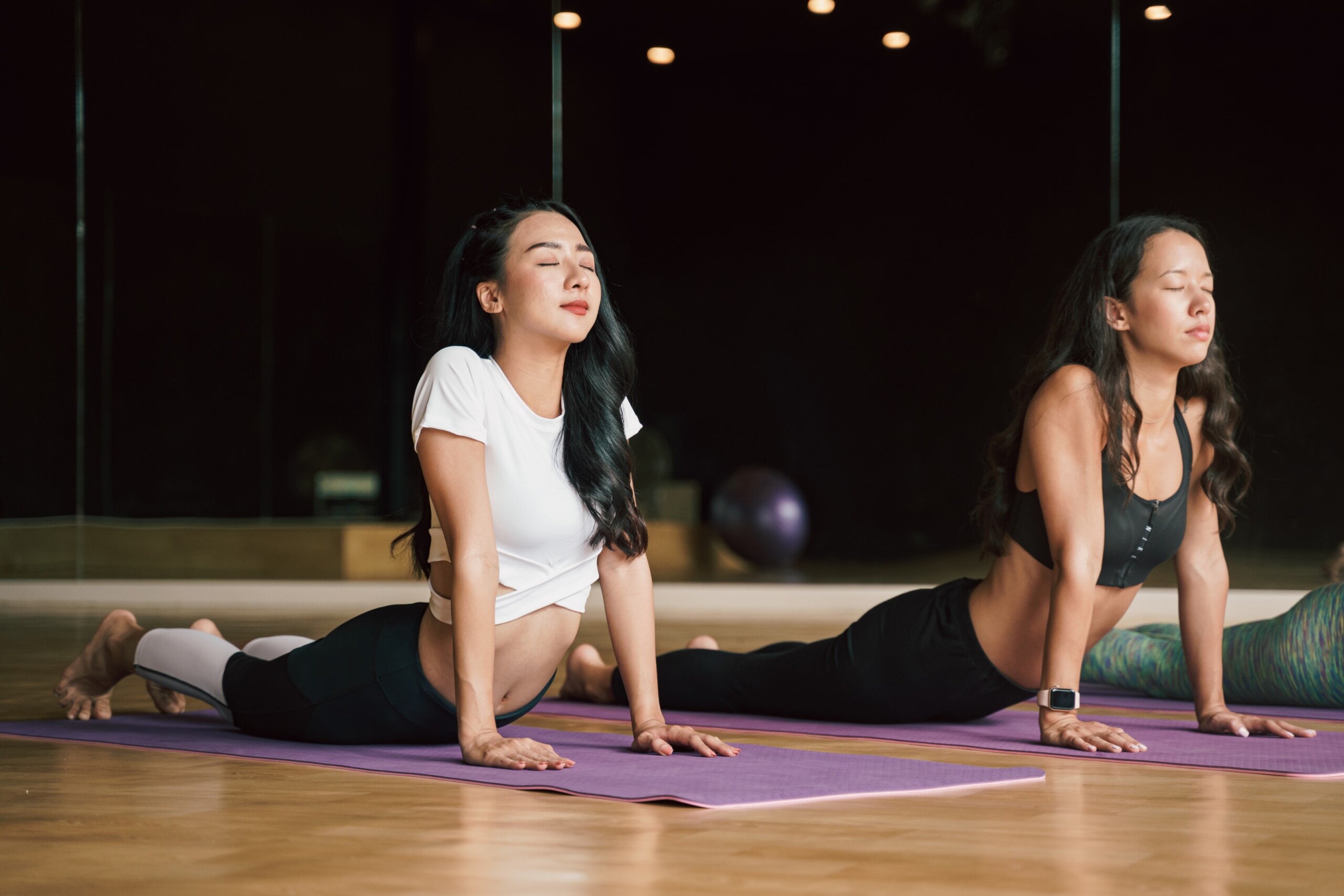
Yoga and Pilates studios in Miami emphasize controlled, low-impact movement, balance, and breath. Unlike martial arts, these practices involve slow transitions, holds, and minimal impact, meaning the flooring requirements are fundamentally different.
At Specialized Fitness Resources, we often install high-density rubber or cushioned vinyl systems in yoga and Pilates spaces to enhance comfort, stability, and overall practice experience.
Comfort and Cushioning
Yoga and Pilates flooring is thinner and firmer than martial arts mats, typically 4–10 mm thick. Some installations include an underlayment for additional softness without sacrificing stability. Floors must provide support for kneeling, supine positions, and rolling movements while avoiding excessive sinkage that could destabilize balance poses or strain joints.
Clients often layer individual mats on top of studio flooring, so the base surface should feel supportive yet neutral. In Miami’s hot and humid climate, cushioned rubber surfaces reduce fatigue during longer or back-to-back classes, letting students focus on their practice rather than discomfort.
Stability and Balance
Balance poses, like tree, warrior sequences, or Pilates standing exercises, require firm, stable flooring that does not wobble or compress excessively. Firmer rubber improves proprioception and alignment, allowing instructors to cue subtle adjustments in feet, knees, and hips. This contrasts sharply with thicker martial arts mats, which are too soft for narrow balance postures or precise spinal articulation.
We often recommend high-density rubber rolls or tiles for yoga and Pilates rooms that also host barre, stretching, or low-impact group fitness classes, providing a reliable foundation for diverse movement styles.
Material Considerations
Common yoga and Pilates flooring options include:
- Vulcanized rubber rolls
- Rubber tiles with acoustic underlayment
- Cushioned vinyl or hybrid wall-to-wall systems
- Cork flooring for eco-conscious studios
Eco-conscious Miami studios frequently request low-VOC, recycled rubber and phthalate-free finishes to align with wellness branding. Surfaces must be easy to clean, resistant to sweat, oils, or sand tracked in from nearby beaches, and maintain hygiene without harboring bacteria.
Specialized Fitness Resources Products
We offer a range of products to complement professional studio flooring:
- Classic Yoga Mat – Provides a stable, non-slip surface for all yoga postures. Made with durable, resilient foam, it insulates from hard flooring and is easy to clean or fold for storage. Available in black, blue, purple, or red. Size: 68″L x 24″W x 1/8″ thick.
- Ultimate Yoga Mat – Designed for both beginners and dedicated practitioners, this 1/4″ thick mat offers superior stability and comfort. Dense, textured foam improves grip and anti-skid performance while insulating from hard or cool surfaces. Easy to clean by hand wash. Available in teal, green, purple, or black. Size: 72″L x 24″W x 1/4″ thick.
For room-wide installations, we provide color-coordinated rubber rolls and tiles in neutral tones, stone looks, or subtle speckles to complement minimalist studio designs. These surfaces ensure that every class, from hot yoga to Pilates reformer work, has a safe, durable, and comfortable foundation.
Key Differences Between Martial Arts Mats and Yoga/Pilates Flooring
Martial arts mats and yoga/Pilates flooring are designed for very different movement styles and impact levels. Choosing the right surface is critical for safety, performance, and longevity in Miami fitness facilities.
Martial arts mats are engineered for high-impact activities such as throws, takedowns, strikes, and grappling. They feature thick, high-density foam cores that absorb energy and protect joints, bones, and the head. The textured or tatami-style surfaces provide grip for barefoot training while allowing controlled slides and pivots.
Yoga and Pilates flooring, in contrast, focuses on low-impact movements, balance, and alignment. These surfaces are thinner and firmer, offering support for static poses, slow transitions, and floor-based exercises without excessive cushioning. Smooth or lightly textured surfaces ensure stability and precise feedback for proper body alignment.
The following table highlights the key differences:
| Feature | Martial Arts Mats | Yoga/Pilates Flooring |
|---|---|---|
| Thickness | 1–2 inches (25–50 mm) | 4–10 mm (with optional underlayment) |
| Firmness (Durometer) | 40–50 (firmer for high-impact stability) | 20–30 (softer for joint comfort and balance) |
| Surface Texture | Tatami weave or textured vinyl for grip during barefoot training | Smooth or lightly textured for controlled slides and stable footing |
| Impact Response | High energy absorption for falls, takedowns, and throws | Minimal cushioning, focused on stability and precision |
| Primary Purpose | Throws, strikes, grappling, and dynamic martial arts movements | Static holds, slow transitions, alignment, and low-impact exercises |
Understanding these differences helps facility owners, instructors, and designers select the right flooring for each discipline.
Also Read: Rubber Gym Flooring Tiles vs. Rolls: Which Option is Best for Your Miami Facility?
Choosing the Right Rubber Flooring for Your Miami Fitness Center
Many Miami facilities host multiple activities, such as martial arts classes at night, yoga, or functional training in the morning, which requires a thoughtful flooring strategy rather than a one-size-fits-all approach.
Assess Your Activities
Start by listing all planned uses, grappling, striking, hot yoga, Pilates apparatus, and group training, and rank them by frequency and impact level. Your choice of flooring should reflect how the space will actually be used.
Zone the Space
Dedicated areas with appropriate surfaces help maximize safety and performance:
- Martial arts mat work zones for throws, takedowns, and sparring
- High-density rubber flooring for strength training and weight areas
- Softer rubber or cushioned surfaces for yoga, Pilates, and stretching
Balance Cost, Durability, and Comfort
Consider trade-offs between premium high-impact mats and more economical rubber options. Quality commercial rubber flooring costs approximately $4–12 per square foot and can last 15–20 years, while lower-cost foam alternatives often require replacement every 5–7 years. Factor in Miami lease terms, expected traffic, and activity intensity when planning your budget.
Consider Subfloor and Building Type
South Florida buildings pose unique challenges. Slab-on-grade warehouses, high-rise concrete decks, and mixed-use retail spaces all influence underlayment selection, thickness requirements, and moisture mitigation strategies. Proper subfloor preparation is critical to ensure performance, longevity, and warranty compliance.
Work with Specialists
At Specialized Fitness Resources, we provide on-site consultations, product selection guidance, CAD layout assistance, professional installation, and maintenance advice. We help martial arts schools, yoga and Pilates studios, universities, and condo gyms design flooring plans tailored to their specific needs, activity mix, and budget.
Miami, FL Fitness Flooring Tips – Expert Advice
Running a fitness facility in Miami comes with unique challenges, from humidity to heavy daily traffic. These expert tips help you choose and maintain flooring that performs and lasts.
1. Consider the Climate
Miami’s tropical humidity can cause warping, mold, and material degradation. Select flooring that resists moisture, and ensure seams are sealed, and cleaning protocols are compatible with the surface to prevent microbial growth.
2. Match Flooring to Traffic and Use
High-traffic areas, such as martial arts zones, group classes, or weight rooms, need thick, resilient flooring. Sound-absorbing rubber or cushioned underlayments reduce noise in mixed-use buildings, keeping neighbors and tenants happy.
3. Choose Eco-Friendly Options
Recycled rubber and low-VOC materials support sustainability and wellness branding. Quality eco-friendly floors perform just as well as traditional options while enhancing your studio’s appeal.
4. Plan for Maintenance
Flooring should be easy to clean and disinfect, withstand sweat, sand, and oils, and remain durable under frequent mopping. Rubber surfaces require only mild soap, unlike porous foam, which needs deep cleaning.
5. Future-Proof Your Facility
Modular tiles, roll systems, and compatible transitions make it easy to expand or reconfigure spaces, allowing you to add martial arts areas, yoga studios, or small-group zones without replacing the entire floor.
Also Read: Can You Install Rubber Gym Flooring Over Carpet? Expert Tips and Complete Guide
Transform Your Miami Fitness Space with the Right Flooring
Your facility deserves flooring that works as hard as your clients do. From absorbing impacts in martial arts classes to providing stability and comfort in yoga and Pilates studios, the right surface makes every movement safer, more effective, and more enjoyable.
At Specialized Fitness Resources, we help Miami facility owners and managers design flooring systems that match each activity’s demands. Whether you need the best floor for martial arts, cushioned rubber yoga mat flooring, or custom color-coordinated tiles, we ensure your space is optimized for performance, durability, and style.
Here’s how we make a difference:
- Tailored solutions for multi-use facilities, combining zones for strength training, martial arts, yoga, and Pilates
- Flooring that withstands Miami’s humidity, high foot traffic, and daily wear without compromising safety
- Eco-friendly and low-VOC materials that support wellness and sustainability initiatives
- Expert installation and layout planning that maximizes space efficiency and longevity
Upgrade your fitness environment with flooring designed to protect, perform, and impress. Call Specialized Fitness Resources and let us help you create a facility that members love to train in.
Frequently Asked Questions
Can I use martial arts mats for yoga or Pilates classes in the same room?
Martial arts mats are too soft for balance-focused yoga or Pilates, making standing poses unstable. Use removable mats over firmer rubber or dedicate separate zones for each activity.
Is rubber flooring suitable under martial arts mats, or should they go directly on concrete?
Rubber or foam underlayment improves impact absorption and sound control. Too many soft layers reduce stability. A specialist can balance thickness and density for safety and performance.
What flooring works best for yoga rooms in Miami’s climate?
High-density, low-porosity rubber or cushioned surfaces handle heat, sweat, and frequent cleaning. Thick martial arts mats trap heat and feel unstable for long holds. Choose slip-resistant, low-VOC materials.
Can one flooring type support both strength training and Pilates equipment like Reformers?
Dense rubber 8–12 mm thick works for combined strength and Pilates areas if heavy-weight drops are contained. Use zoning with thicker rubber in lifting zones and slightly softer surfaces for Pilates and mobility work.