
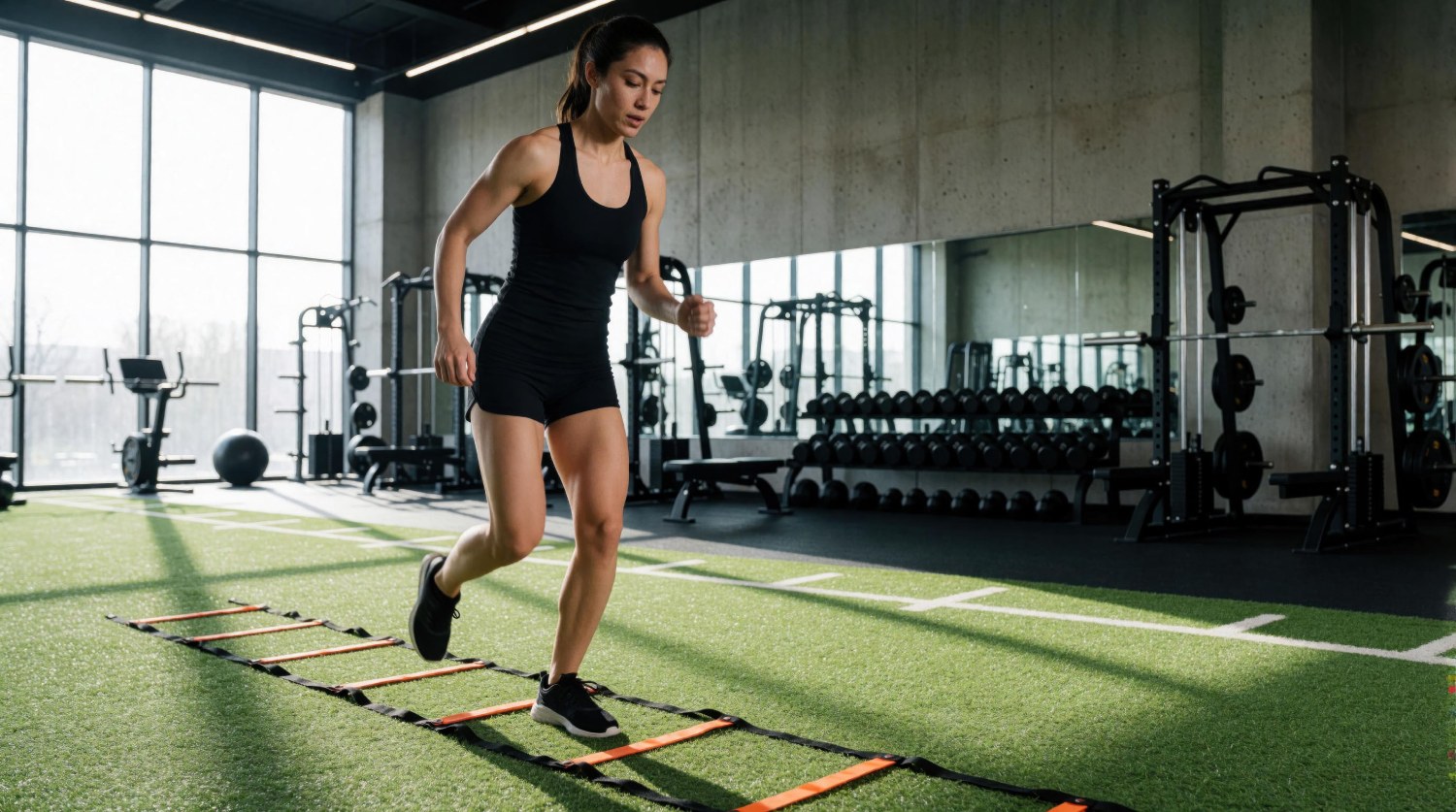
Miami athletes train year-round, and gyms need indoor space where they can sprint, cut, and do sled work regardless of the weather. A dedicated speed and agility turf zone gives performance gyms, sports academies, and personal training studios one surface for acceleration, deceleration, lateral movement, and conditioning.
This guide walks gym owners through choosing turf, planning the layout, installing it correctly, and keeping it performing. Specialized Fitness Resources (SFR) has supplied and installed fitness flooring for decades, so the advice below reflects what works in real commercial training facilities.
Build a High-Performance Training Space With Specialized Fitness Resources
At Specialized Fitness Resources, we supply and install fitness flooring designed for demanding training environments. Contact our team to find the right speed and agility turf for your Miami facility and create a durable space for athletic performance.
Contact Us Now
What Is Speed and Agility Turf, and Why Do Miami Facilities Use It?
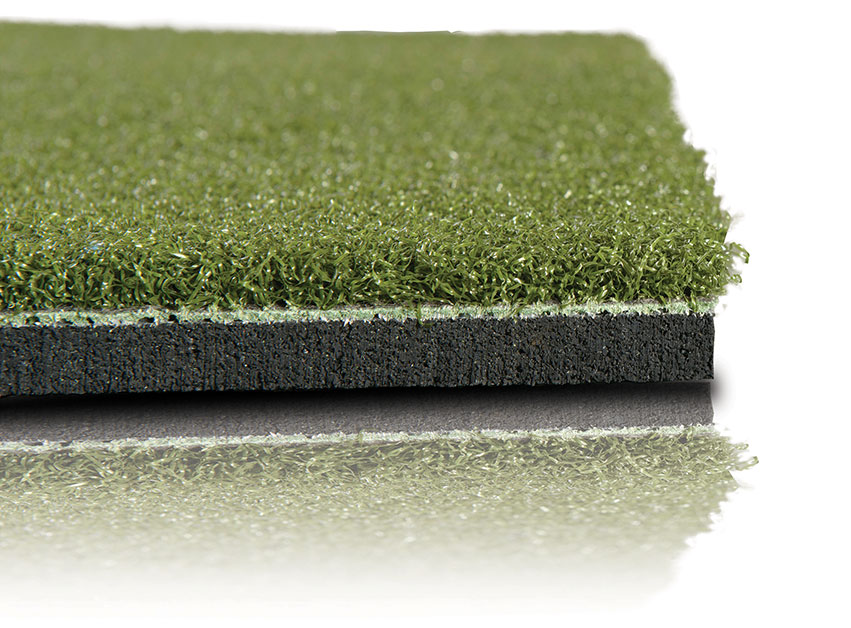
Speed and agility turf is a dense, low-pile synthetic surface designed for rapid starts, stops, and multi-directional movement. It is not a decorative “grass” product. A tight, durable fiber gives predictable footing and consistent sled glide, while a foam base layer adds cushioning for joints.
Indoor systems also skip the rubber infill used on many outdoor fields. Specialized Fitness Resources’ Speed & Agility Turf is a no-infill, indoor-only product made from textured monofilament nylon. It comes in 6-foot rolls with a 5 mm or 12 mm base layer, plus 23 by 46 inch interlocking tiles for portable setups.
Specialized Fitness Resources’ Indoor Sports Turf is a non-rubber-infilled blend of polyethylene and nylon that SFR says is easier to maintain and up to 10% cooler than rubber-filled turf.
Typical users include sports performance centers, personal training studios, university weight rooms, youth academies, and boutique gyms.
Also Read: What’s the Best Flooring for Pilates, Barre & Reformer Studios? (2026 Guide)
What Workouts Work on Speed and Agility Turf?
A single turf lane can handle sprints, sled pushes, agility ladders, and conditioning circuits back to back. Clear programming for the zone keeps coaches from creating traffic jams.
Sprinting and acceleration. Turf supports 10- to 40-yard sprints, resisted sprints, and flying sprints using marked distances. Consistent footing and a firm base support sound sprint mechanics. Plan lanes of at least 40 to 60 feet, with extra run-out room so athletes can slow down safely.
Lateral movement and change of direction. Shuffles, backpedals, 5-10-5 drills, T-drills, and cone patterns all benefit from a surface that lets athletes plant and cut without slipping or sticking. Keep an open, equipment-free area for group drills, and use painted or inlaid grids and hash marks for standardized tests.
Sled pushes and drags. Dense, low-pile turf lets sleds glide consistently, and dedicated sled lanes have become a premium feature for many Miami gyms. Fiber blend, backing, and underlayment all affect sled resistance and wear, so reinforce start zones and seams.
Functional training. Battle ropes, medicine ball throws, crawls, plyometrics, and dynamic warm-ups all fit. A cushioned, stable surface lets members train at intensity with less joint stress than bare concrete.
What Factors Should You Consider When Choosing Speed and Agility Turf?
Compare data sheets on fiber, pile height, weight, and backing rather than choosing on color or price alone.
Fiber and pile height. Polyethylene is soft and flexible, while nylon resists abrasion from sled skis and heavy traffic. SFR’s Indoor Sports Turf combines both, with a 3/4 inch pile and a total fabric weight of 67 oz/yd² (125 oz/yd² with the foam backing). Short pile suits sled-heavy strength gyms, and slightly taller pile suits mixed agility and conditioning.
Traction and consistency. The goal is enough grip to prevent slipping without overloading knees and ankles. Test samples with real drills before a large order, and check that seams and edges feel the same as the rest of the surface.
Shock absorption. The turf is one layer in a system that includes foam backing and the subfloor. ASTM F3189 is the standard test method for measuring force reduction, vertical deformation, and energy restitution of synthetic turf systems, so ask for performance data on any system that includes a shock pad.
Durability. Sled start zones, turns, and entrances see the most wear. Reinforce them with extra adhesive, seam tape or edge protection, and choose commercial-grade turf rated for indoor training.
Humidity and maintenance. South Florida humidity and sweat call for good ventilation and dehumidification so moisture does not linger under or around the turf. Brush fibers to keep them upright, vacuum regularly, and spot-clean spills. Turf can be slippery when wet, so keep entrances dry and wipe up tracked-in moisture. At Specialized Fitness Resources, we have installation and maintenance literature covering care for each product.
How Can You Design a Functional Agility Training Area?
Plan the layout before you buy.
Measure the space. Aim for lanes of 40 to 60 feet or longer for acceleration and sled work, and allow a safety buffer at each end for deceleration and resets. Account for columns, doors, and emergency exits so the zone never blocks critical routes or access to locker rooms.
Plan around training goals. Decide whether the zone is speed-focused, agility-focused, or hybrid. A common layout pairs one or two linear lanes with an open square for multi-directional work, arranged so coaches can see every athlete. Many Miami gyms mix small-group training with open membership use, so design for both.
Choose dimensions, markings, and colors. Match roll widths to lane sizes to minimize seams. Distance labels at 5, 10, and 20 yards, hash marks, and agility grids support structured testing. Colors can separate sprint lanes from sled tracks and echo your branding. SFR offers custom colors on request.
Pair turf with rubber flooring. Most well-designed facilities use both surfaces. Put turf in conditioning lanes and durable rubber, such as Everlast rubber rolls and tiles, Power Mats, or equipment mats, under free weights and machines. Keep drop zones away from the turf, and use reducers or flush transitions where surfaces meet to prevent trip hazards.
Professional Installation: What to Expect
Professional installation is strongly recommended for commercial facilities, and SFR handles both supply and installation, which not every competitor offers. A typical process includes:
- Subfloor assessment. The installer checks flatness and moisture. Concrete moisture testing commonly follows ASTM F2170 (in-situ relative humidity) or ASTM F1869 (calcium chloride), depending on the manufacturer’s requirements.
- Layout and dry fit. Rolls are positioned with seams away from high-stress lines and dry-fitted before adhesive goes down.
- Adhesive and finishing. The right adhesive is matched to the product and indoor conditions. Edges are trimmed and transitions installed.
- Final walkthrough. Drills and sled passes confirm that the surface performs as planned.
Careful workmanship reduces seam lifting, wrinkles, and early wear, which protects the investment.
How Turf Elevates a Miami Fitness and Training Facility
A turf zone expands programming to include youth speed camps, sports performance classes, HIIT, and team training for local schools and clubs. Clear lanes and markings improve coaching efficiency and member confidence. Custom colors and logos also make the space a natural centerpiece for social media and facility tours. Choosing durable, purpose-built turf helps limit replacements and downtime.
Also Read: Flooring for Multi-Family & Apartment Fitness Centers: Solving the Noise Complaint Problem
Why Should You Work With Specialized Fitness Resources for Speed and Agility Turf?
At Specialized Fitness Resources, we help Florida gyms and fitness facilities create training spaces that support their members’ performance, safety, and long-term use. We have supplied fitness flooring to condominium fitness centers, hotels, country clubs, schools, universities, and commercial gyms across Florida, giving us experience with a wide range of facility layouts and training requirements.
Our team helps you select the right speed and agility turf based on your training goals, available space, equipment, and expected foot traffic. From sled-pushing lanes and sprint tracks to multi-directional agility zones, we can help you choose suitable turf fibers, pile heights, backing, and custom markings for your facility. We also offer rubber flooring, underlayment, and accessories to create a cohesive flooring system that accommodates different training activities.
Because we handle both product sales and installation, you can coordinate your flooring selections and installation requirements with one team. Our eco-friendly product options, prompt quotes and samples, and hands-on customer service help simplify the planning process and keep your project moving. Whether you are upgrading an existing gym or designing a new training area, we work with you to identify practical flooring solutions that balance performance, durability, appearance, and maintenance needs.
Build Your High-Performance Training Space With Specialized Fitness Resources
Ready to add speed and agility turf to your Miami fitness facility? At Specialized Fitness Resources, we help gyms, sports performance centers, and personal training studios choose and install flooring that supports their training goals. From sprint lanes and sled tracks to custom agility zones, our team can help you find the right turf, underlayment, and accessories for your space.
Contact Specialized Fitness Resources at 305-752-0451 to discuss your project, request a quote, and explore turf samples for your facility. We will help you create a durable, functional training area designed around your athletes and your facility’s needs.
Key Takeaways
- Speed and agility turf is low-pile synthetic turf built for sprints, lateral drills, and sled work. It is a different product from standard gym flooring or landscaping grass.
- Rubber and turf work best together: rubber for lifting and equipment areas, turf for movement lanes.
- Layout matters as much as the product. Lane length, run-out space, markings, and flush transitions drive safety and traffic flow.
- A supplier that both sells and installs keeps product selection, subfloor prep, and installation under one accountable team.
Frequently Asked Questions
What affects the cost of a speed and agility turf zone in Miami?
Pricing depends on the product and base thickness, the size and shape of the area, subfloor preparation and moisture mitigation, removal of existing flooring, and custom colors or logos. Larger continuous areas usually reduce waste compared with many small, cut-up zones. For a site-specific number, request a quote or call 305-752-0451.
How long does indoor speed and agility turf last in a busy gym?
Lifespan depends on product quality, installation, maintenance, and training volume. Heavy sled use and high class counts wear turf faster if the product and underlayment are not matched to the use. Regular cleaning, seam checks, and prompt repairs extend service life. Ask for the specific warranty on the product you choose.
Can turf be installed over existing rubber flooring or concrete?
Often yes, if the existing surface is sound, level, and compatible with the adhesive and backing. An installer should check moisture, flatness, and soft spots first, and plan thresholds carefully, because installing over rubber changes surface height and feel. SFR’s portable interlocking tile option is another route when a permanent glue-down is not wanted.
What footwear works best on indoor turf?
Flat-soled training shoes or turf shoes work for most drills. Avoid metal cleats, which damage fibers and backing. Post footwear rules near the zone so every user, from youth athletes to adult members, keeps the surface consistent.
How do you control odor and hygiene on indoor turf in Miami’s humidity?
Set a cleaning routine of vacuuming, spot-cleaning sweat and spills, and periodic disinfecting with turf-safe products. Good ventilation and dehumidification limit moisture buildup. Clean high-sweat areas, such as sled starts and lane ends, more often, and ask SFR for recommended cleaners for your system.